Bio Ethanol Fireplace
Installing a bioethanol-based fireplace is expensive.
A bioethanol fireplace is reasonably priced and bio-fireplace easy to set up. It adds style to your house and produces an elegant, clean burning flame. Fireplaces can be set outdoors or indoors and are safe. The ethanol fuel is safe and non-toxic. Bioethanol fireplaces can be erected to the floor or freestanding. They also do not require the installation of chimneys or sliding under the wall.
The cost of installing an ethanol fireplace can vary in accordance with its size, bio ethanol fireplace uk style, and materials. A tabletop fireplace may cost between $200 and $500, Bio-Fireplace (Fireplaceandstove.Co.Uk) whereas a wall-mounted or recessed fireplace can be much more expensive. Certain fireplaces are prefabricated, while others can be made to order. They can be affixed to existing walls or placed in the form of a new one.
While ethanol fireplaces do not require a chimney, vent or pipe, they do require some level of assembly. The majority of them are able to be assembled with no extra effort, whereas others need to be assemble. Installation is easy in both instances and homeowners will find it simpler than installing a traditional fireplace.
A ethanol fireplace is a great option for homes that don’t have traditional fireplaces. If it is installed correctly and placed correctly, it will produce enough heat to provide sufficient heat. Like any fire, it requires oxygen to burn. However unlike a wood-burning fireplace, the flames produced by an ethanol fireplace do not require a lot of oxygen. Therefore, they’re not a problem for homes with a size greater than 20 square meters. However, homeowners with smaller houses should ensure that they have adequate ventilation.
Installing a bioethanol fireplace can be usually cost-effective. A bioethanol fireplace may be a great addition to homes, as it can provide numerous benefits that are eco-friendly and sustainable. A bioethanol fireplace can save you money on costs for utilities. It doesn’t require a power line and is a simple alternative to install.
Before you purchase a bio ethanol fireplace, ensure that you decide if you’d prefer a wall-mounted bio ethanol fireplace or a portable. There are a variety of sizes that can be used to fit small and large spaces. Ethanol fireplaces aren’t a source of harmful emissions and are smoke-free. The only emissions that fireplaces that use ethanol produce are carbon dioxide and water.
Types of bio ethanol fireplaces
There are many ways to use bioethanol fireplaces. Some are portable, while others can be set up in the house or outside. A lot of them are simple to use and don’t require an gas line or electricity. This makes them ideal for apartment dwellers. They also do not require much maintenance when compared to traditional fireplaces.
A freestanding bioethanol fireplace is the most straightforward to install. It requires only a burner and a non-combustible space. The fire pits burn for between four and five hours before being turned off. They can be refueled with bioethanol by adding more fuel to the burner.
A tabletop fireplace is a different option. Tabletop fireplaces can be large and portable and are ideal for use in homes that have low ceilings or with no chimney breasts. They can be set up in a garden or a garden. The drawback to this kind of fireplace is that it might not have enough heat to warm a large area. Therefore, Bio-Fireplace it is important to think about the size of the space it will cover prior to making the purchase.
The best bioethanol fireplaces will reduce your carbon footprint. They are a great choice for those who want to live a green lifestyle. Bioethanol is environmentally friendly, the process of fermenting sugars into ethanol requires plenty of natural resources and can impact the environment. Therefore, it is crucial to consider your needs before buying a bioethanol fireplace.
A bioethanol fireplace can add beauty and warmth to the space. It is not intended to replace traditional heating methods. The amount of heat produced is contingent on the size of the fireplace, air flow, and the height of the ceiling. The heat generated by a bioethanol fireplace will also affect other electrical devices in the room.
Bioethanol fireplaces have the benefit of not producing soot or smoke. They also emit low levels of carbon dioxide when compared to other fuel sources which makes them safer for the environment. They are easy to install and do not require chimneys or a gas line. They do not emit toxic fumes and are 100% efficient.
Safety of bioethanol fireplaces
Bioethanol fireplaces are safe to use, however there are certain things you should be aware of when using them. The first step is to keep them away from any materials that are flammable. It is also important to ensure that the fuel that you use is purchased from a reputable manufacturer.
The biofuel should be kept away from the biofireplace and out of the reach of children. It should be kept at a minimum of one meter from flammable objects and furniture. It is important to use a fire-proof screen to protect yourself from falling embers and other harmful particles. If necessary you must keep your hair out from the flame and do not blow or blow it. It is also important to have a fire extinguisher close by. Don’t use bioethanol-based fireplaces in a space that isn’t ventilated to the proper degree.
Bioethanol is a sustainable and renewable source of energy however, it can be dangerous when burned improperly. It can cause fire and cause many health issues. There is a risk of serious injuries if you don’t have a fireplace that has proper ventilation. The ethanol used in bio fireplaces is burned into CO2 and water. The quality of the fuel used as well as the temperature at which it is burned will determine the amount of CO2 released by a biofire.
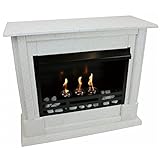 Bioethanol fireplaces are a very popular decorative piece, biofuel fireplaces and they produce about three to five Kilowatts of energy. However, their heat output is much lower than an actual gas or wood fireplace. Bioethanol fireplaces are not compatible in conjunction with other electrical devices. They could cause overheating on a television set, or cause damage to materials that are sensitive to temperature.
Another benefit of ethanol fireplaces is that they don’t require chimney. They can be installed indoors or outdoors. You can even move them around on some models if they’re not located in a fixed place. Because bioethanol is highly flammable, there is a high risk of spills, which is why they’re often seen as a decorative feature instead of a source of heat.
Bioethanol fireplaces are safer than fireplaces that burn wood. The particles and smoke produced by fireplaces that burn wood have been associated with cancer. Bioethanol fireplaces, however, the heat generated by the fire remains inside.